
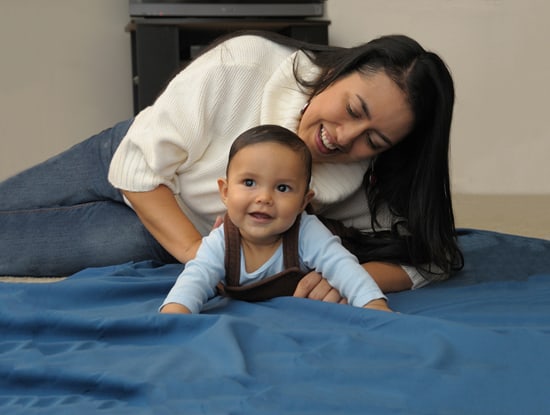
Make sure your baby has tummy time while awake every day.
An awake adult should supervise awake tummy time. This helps with your baby’s motor development and prevents flat head syndrome. Start with a short amount of tummy time soon after you get home from the hospital. Gradually increase the time until your baby is doing at least 15 to 30 minutes of tummy time every day by […]
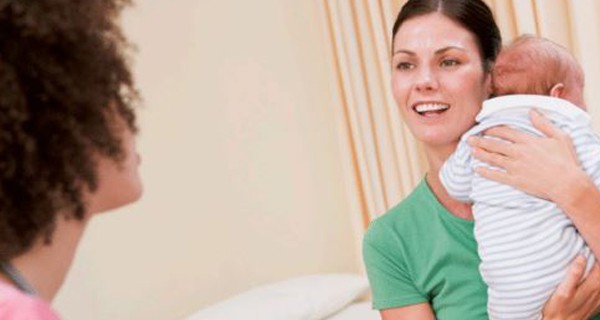
Schedule and go to all well-child care visits.
Regular check-ups help ensure your baby’s growth and development is on track. In addition, your baby will receive important immunizations at these well-child visits with your pediatrician. Evidence suggests that infant vaccinations may help protect against SIDS.

Get regular prenatal care and avoid substance use during pregnancy.
There’s strong evidence that routine prenatal care reduces your baby’s risk of SIDS. Also, avoid alcohol, marijuana, opioids or illicit drugs during pregnancy and after your baby is born. The risk of SIDS is higher when babies are exposed to alcohol or illicit substances.
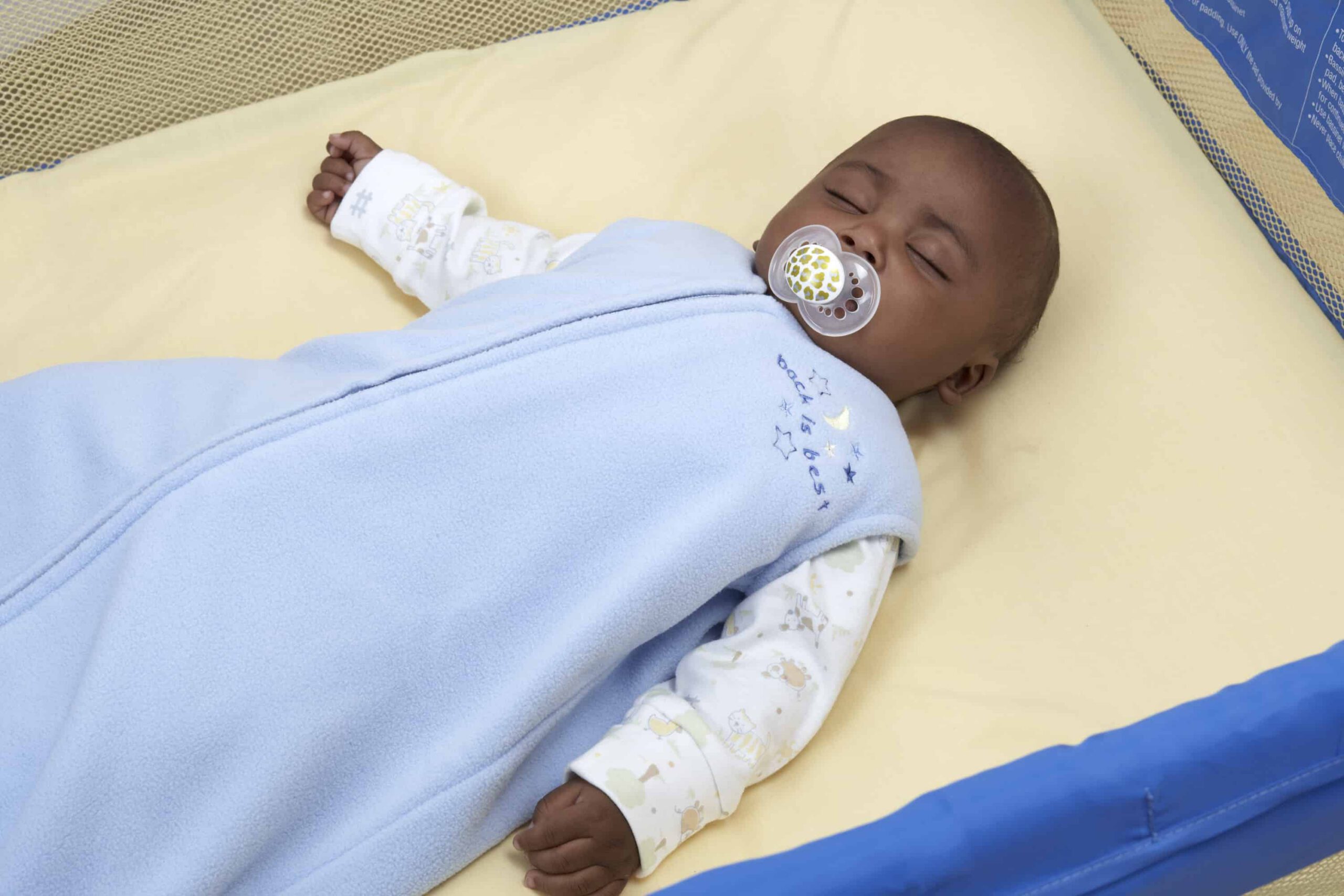
Try giving your baby a pacifier at nap time and bedtime.
This helps reduce the risk of SIDS, even if the pacifier falls out after your baby is asleep. But keep in mind:
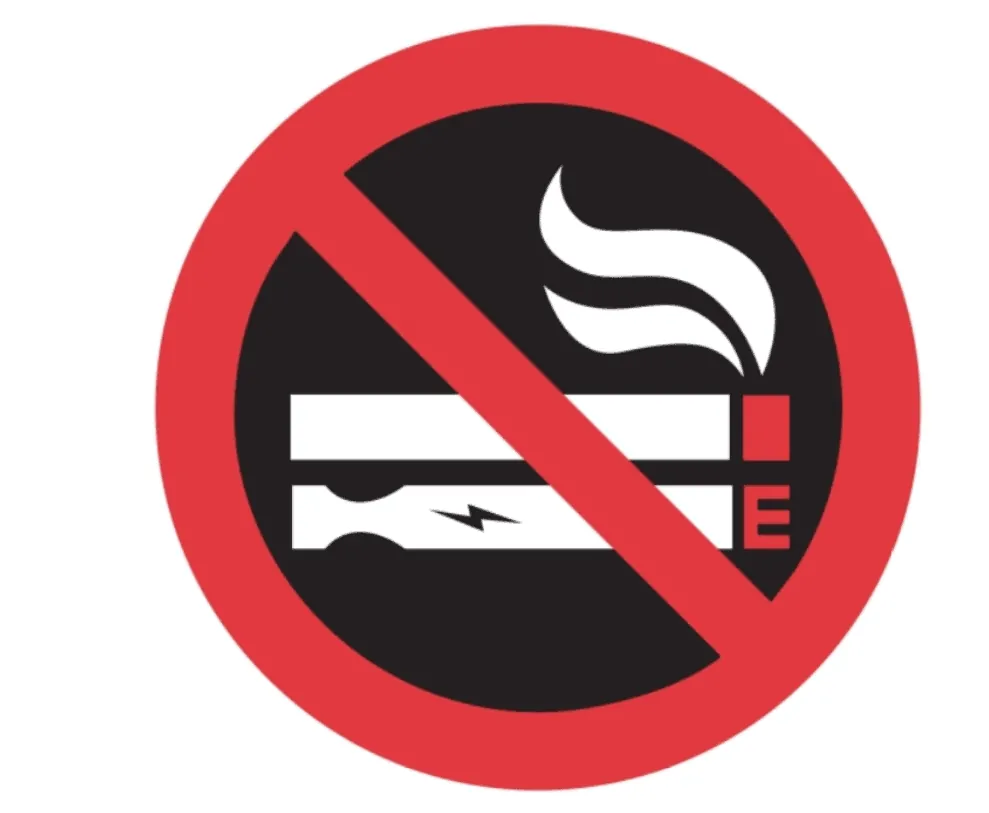
Don’t smoke or use nicotine during pregnancy or after your baby is born.
Smoking while you’re pregnant, and smoke in your baby’s environment after birth, are significant risk factors for SIDS. Don’t smoke anywhere near your baby, even if you’re outside. This includes vaping and electronic cigarettes, which contain nicotine. Keep your car and home smoke-free. Get rid of secondhand smoke in any areas your baby and other nonsmokers […]
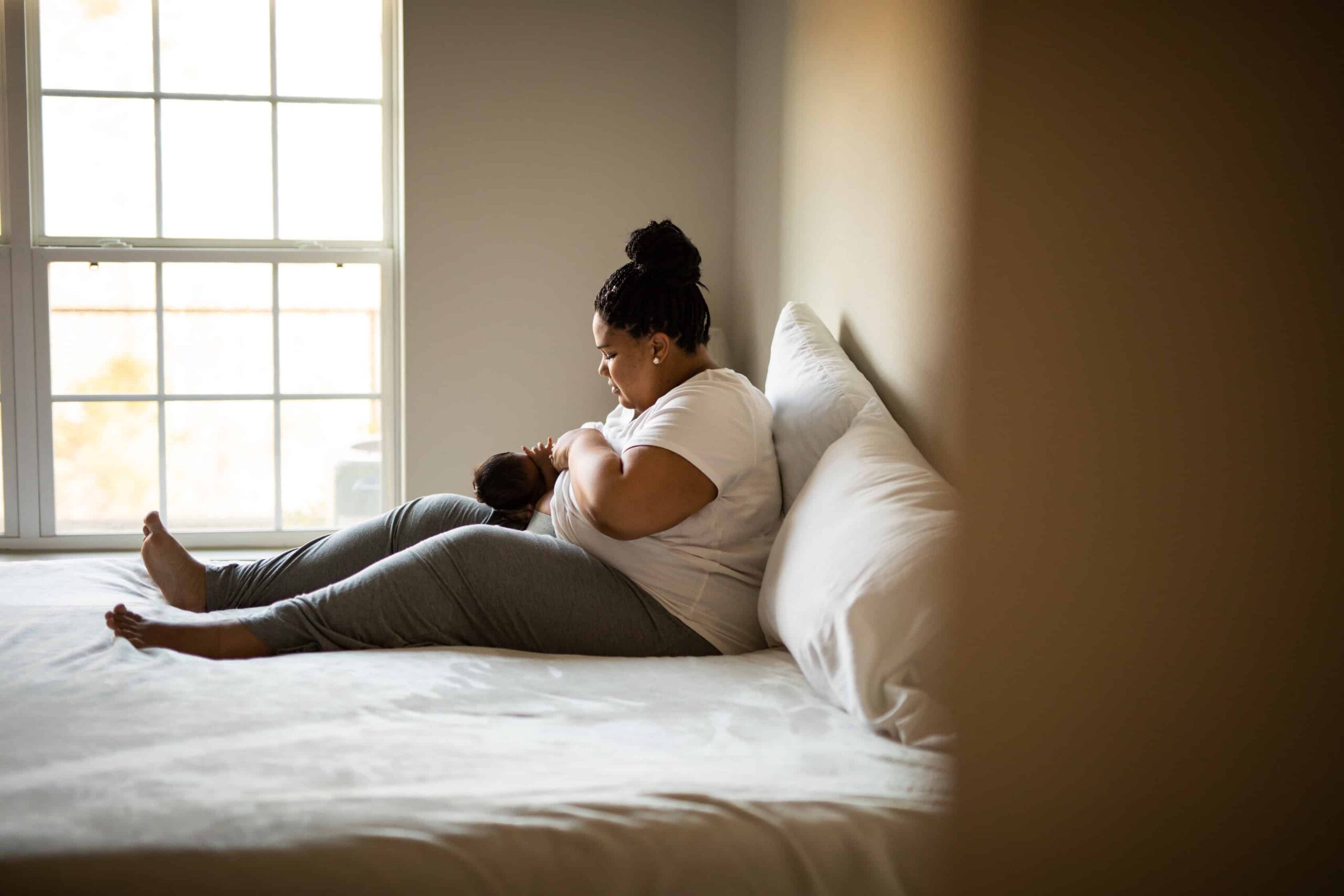
Feed your baby breast milk
Evidence shows that human milk reduces the risk of SIDS. The longer you give your baby breast milk, the more protection it gives.
Post Test
Common Questions and Concerns
You are not alone if you have questions about how to keep infants safe while they sleep. Here you will find answers to some of the most common questions and concerns that many parents have. Remember to talk to your healthcare provider about your questions and concerns.

Keep Your Baby Safe from Tobacco
Keep your baby safe from tobacco exposure by not smoking or vaping while pregnant and keeping them away from secondhand tobacco (smoke or vape). Also keep your infant away from smoke and vape in the home, car, and day care. Babies exposed to tobacco smoke – either because their moms smoked during pregnancy or because […]
Safe Sleep Recommendations

Talking to Others Who Care for Your Baby about Safe Infant Sleep
Don’t assume that others know about safe sleep. Discuss with them where and how your baby sleeps. Remember to talk to all who might care for your baby including, spouse/partner, babysitter, childcare provider, sibling, grandparents, friends, faith-based nursery, and family members. You have the right to be thorough in questioning those who will be caring for your infant and don’t feel […]
Deciding Where Your Baby Sleeps
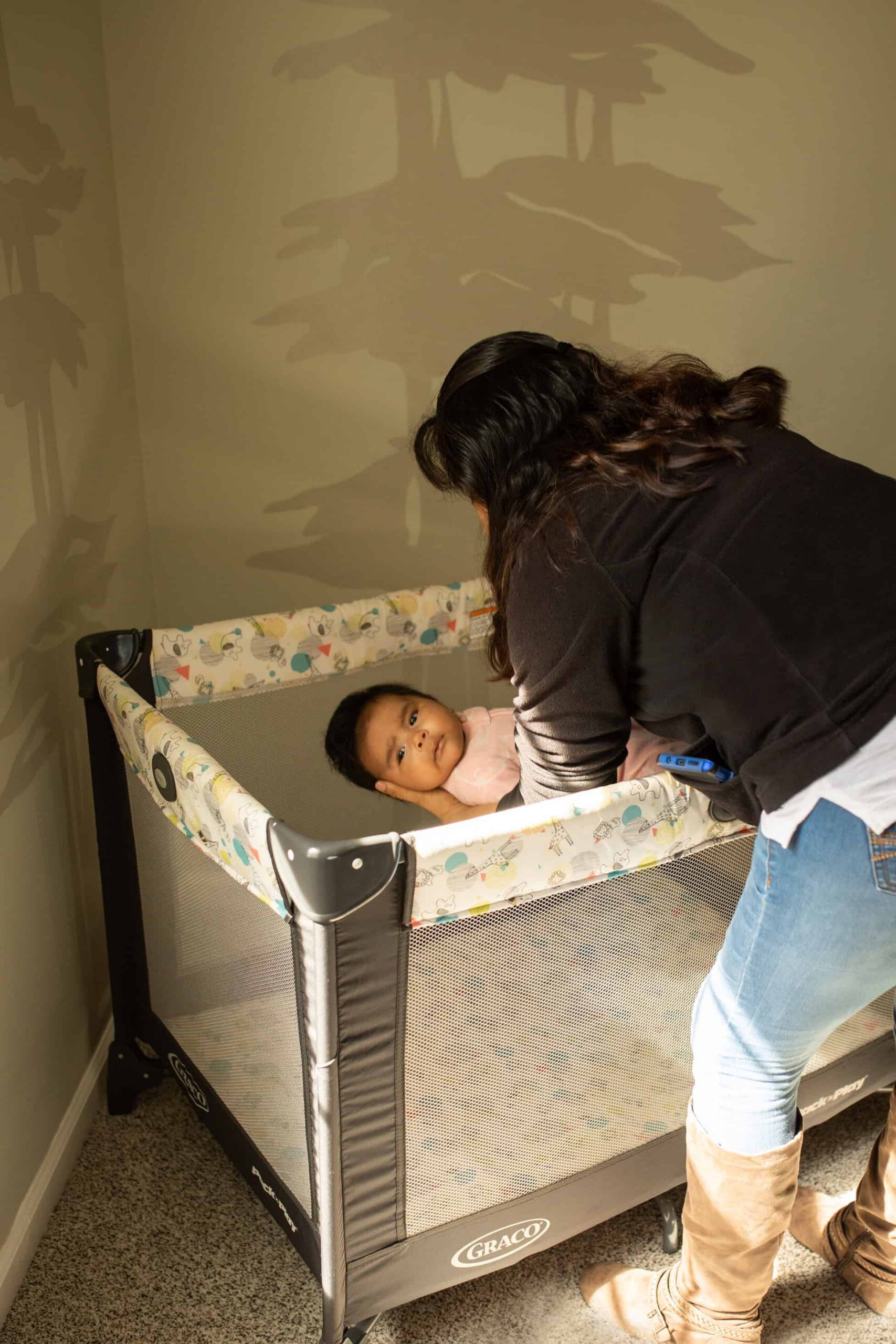
Deciding where your infant should and should not sleep for naps and at night is important. The American Academy of Pediatrics (AAP) recommends that babies sleep safest alone (on a separate surface from their parents, siblings, or pets), on their backs (not their sides or stomach, until they can roll over on their own), and in a crib […]

Bed Sharing: Understanding the Risks
The American Academy of Pediatrics (AAP) strongly recommends against bed sharing with an infant. Bed sharing is when someone sleeps on the same surface with a baby, such as a chair, sofa, or bed. Many parents do bed share for different reasons. Some parents do so on purpose and some do so on accident. The […]
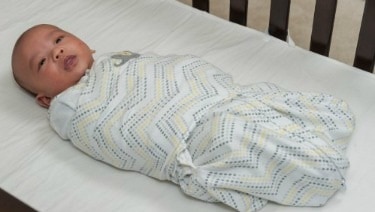
Swaddle your baby if you like, but follow a few factors.
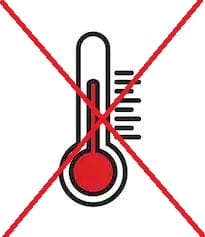
Don’t let your baby get overheated.
Overheating can increase the risk of SIDS. Your baby only needs one more layer than you would wear in the same environment to be comfortable.

Never place your baby to sleep on a couch, sofa, or armchair.
This is an extremely dangerous place for your baby to sleep. Also, don’t care for your baby on a couch, sofa, or armchair if you are tired and might fall asleep with them.

Do not let your child fall asleep on nursing pillows or pillow-like lounging pads.
Babies may roll over onto their sides or stomachs and turn their heads into the soft fabric and suffocate. Or, when propped up on an incline against the pillow or lounger, their heads can fall forward, blocking their airway. Babies do not need the soft padding of pillow.
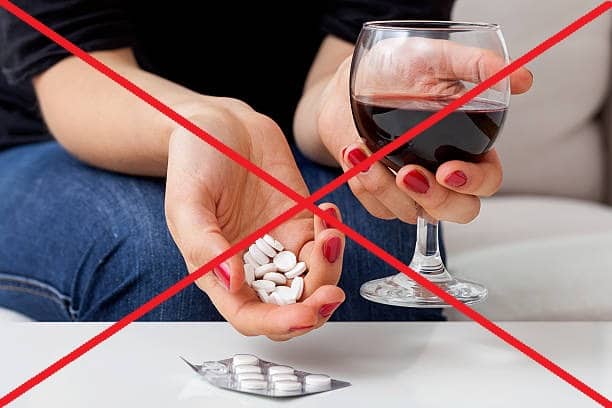
Do not use alcohol and substances that can impair your ability to care for your infant.
It’s important to be aware of how alcohol, cannabis (marijuana, THC, pot), opioids, illicit drug use, and some medicines can affect your decision-making, especially when it comes to how and where baby sleeps. Infant accidental suffocation deaths can happen when parents or caregivers are using alcohol, drugs, or certain medicines. It can be harder to […]
Instead of bed sharing, room share with your baby.
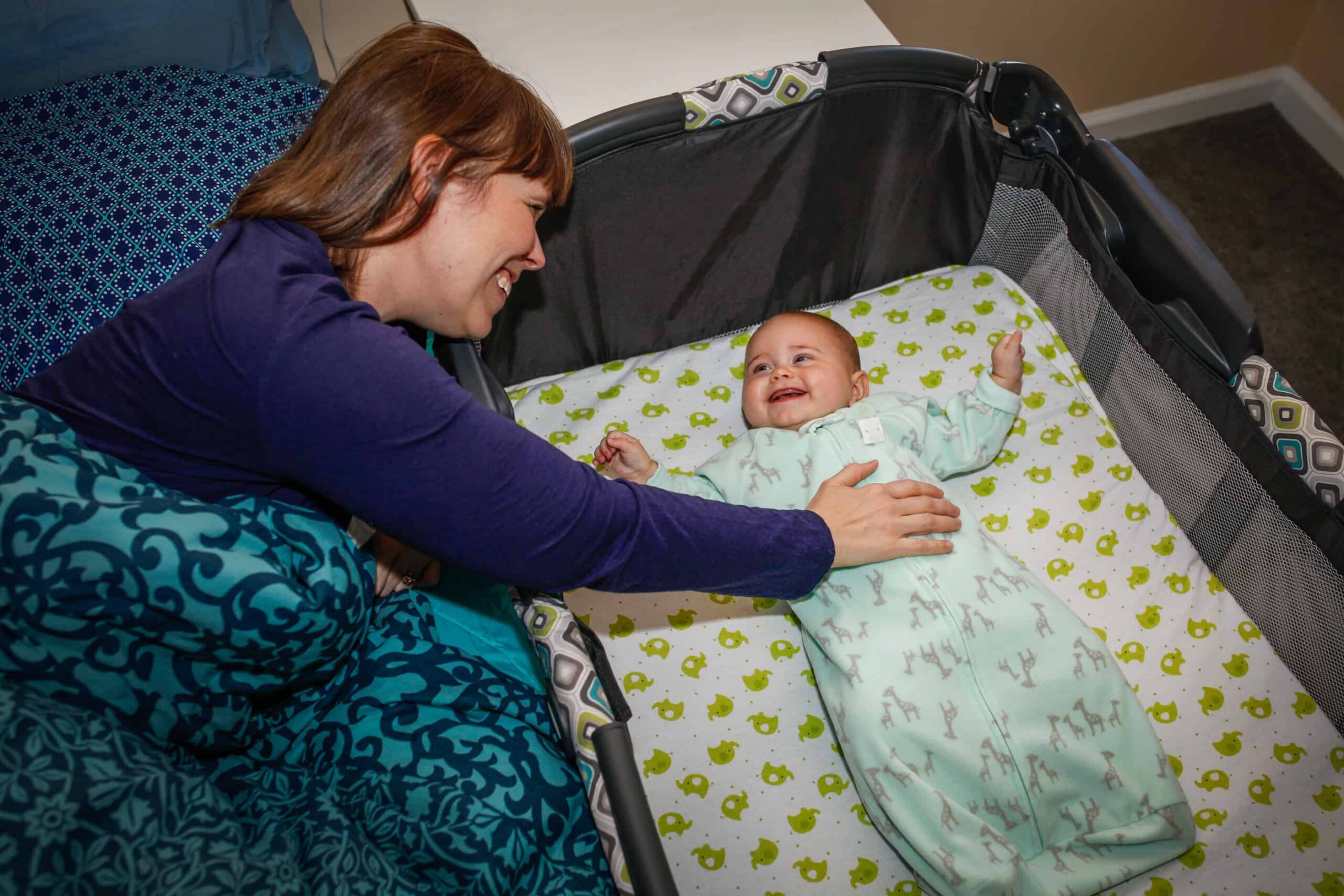
This means keeping your baby’s sleep area in the same room where you sleep for at least the first 6 months. Place your baby’s crib, bassinet, portable crib or play yard in your bedroom, close to your bed. The AAP recommends room sharing because it can decrease the risk of SIDS by as much as 50% and […]

Trainings
Infant Safe Sleep and Family Engagement: A training for North Carolina Professionals to reduce the risk of infant mortality and sleep-related deaths. Safe Sleep NC’s 45 minute training is for professionals working with families and caregivers.The training addresses the following three key questions: Click HERE to view the training. Participants will receive 1.0 nursing contact hours upon […]
Safe Sleep Booklet
Here you will find FREE patient materials designed to help promote safe sleep practices and to help those who work with parents and caregivers of infants to more effectively discuss safe infant sleep.
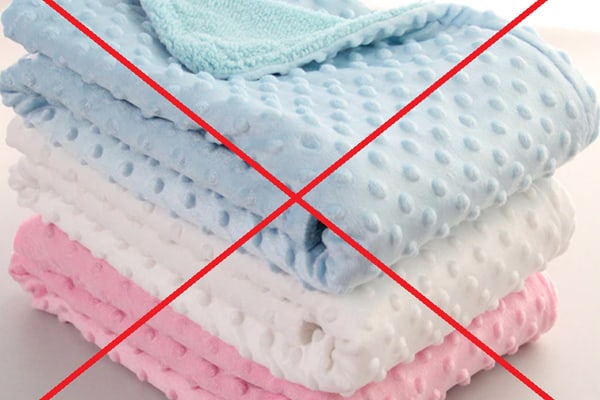
Keep soft objects and loose bedding out of your baby’s sleep area.
This includes pillows and pillow-like toys, quilts, comforters, mattress toppers, non-fitted sheets, blankets, toys, bumper pads or related products that attach to crib slats or sides.
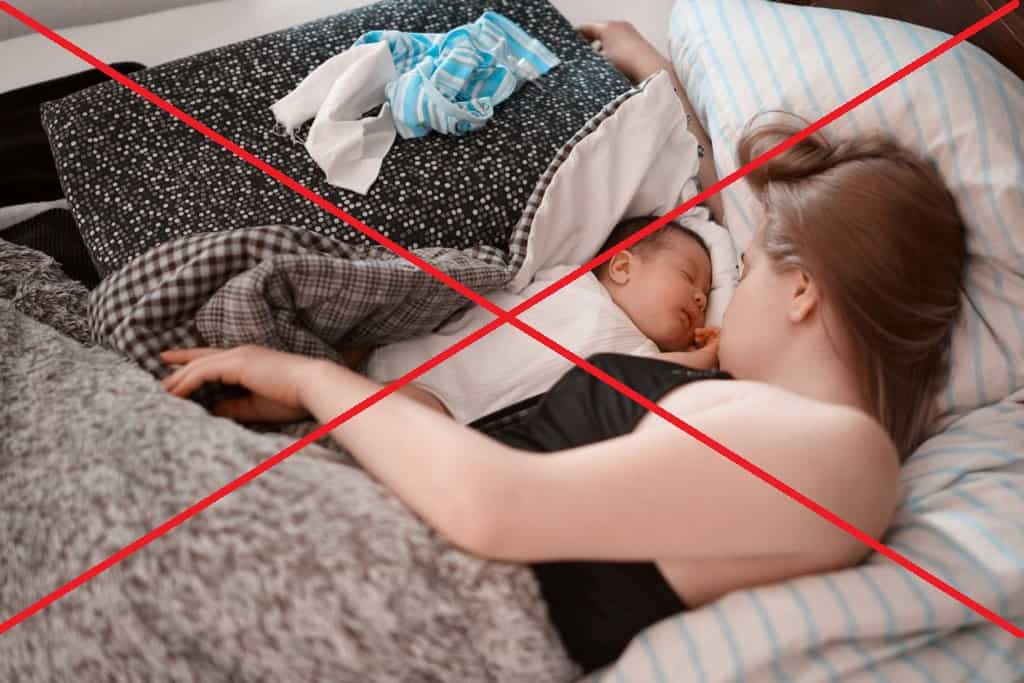
Never sleep with your baby.
If you bring your baby into your bed to feed or comfort them, place them in their own sleep space when you’re ready to go to sleep. If there is any possibility that you might fall asleep while your baby is in your bed, make sure there are no pillows, sheets, blankets or any other items that […]

Put your baby on their back for all naps and at night.
Babies who sleep on their backs are much less likely to die suddenly and unexpectedly than babies who sleep on their stomachs or sides. The problem with the side position is that your baby can roll more easily onto their stomach. Some parents worry that babies will choke when they’re on their backs. But your […]