
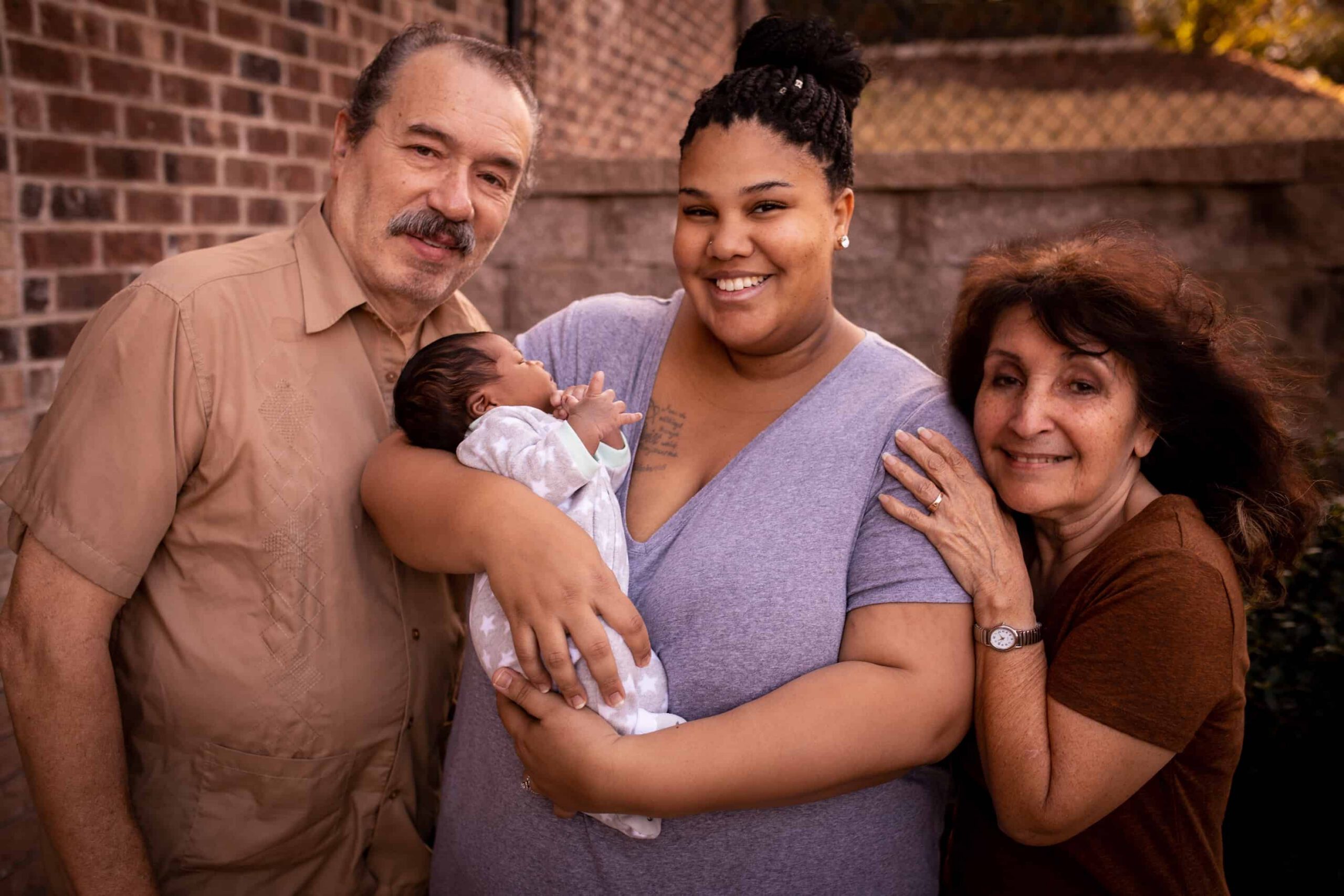
Don’t assume that others know about safe sleep. Discuss with them where and how your baby sleeps. Remember to talk to all who might care for your baby including, spouse/partner, babysitter, childcare provider, sibling, grandparents, friends, faith-based nursery, and family members. You have the right to be thorough in questioning those who will be caring for your infant and don’t feel bad about turning them down or providing instruction.
A study found that while parents and licensed childcare providers are catching on about safe infant sleep practices, friends, relatives, and babysitters often do not know how to help prevent sleep-related infant deaths.
Next Steps
- Always put baby to sleep on his or her back.
- Always put baby to sleep in a crib or bassinet with a firm and flat mattress.
- Remove all blankets and pillows from the crib.
- Remove any other objects that could be hazardous, including stuffed animals, toys, and bumpers.
- Do not sleep on the same surface (bed, couch, etc.) with baby.
- Do not smoke or vape around baby.
When it’s time to choose a childcare provider, discuss safe sleep practices. It may help to prepare a list of questions to ensure they follow safe sleep guidelines.
• Ask what sleeping arrangements they already use for infants in their care
• Ask to see the sleeping arrangements they have available, or whether you should provide your own
• Ask what they would do if your baby falls asleep in a car seat, swing, or bouncy seat
• Ask how they put babies to sleep (babies should always be placed on their backs—not their side or stomach)
• Ask about tummy time and where it takes place
• Ask whether they or anyone at the childcare location smokes or vapes, or whether your baby might be around someone who does
• Ask whether they use blankets, stuffed animals, or bumper pads in the crib
• Always lay your baby on their back, not their stomach or side
• The sleep surface should be firm. Make sure the crib, bassinet, or pack-n-play meets safety standards and has not been recalled. Check that there are no missing, broken, or loose pieces
• If the baby falls asleep in a car seat, swing, infant carrier, or similar device, move them to a proper sleeping place
• Keep loose bedding—such as pillows, blankets, and stuffed animals—out of the sleeping area. Baby should sleep on a fitted sheet with nothing else in the crib
• Do not use bumper pads. They do not prevent injury and can increase the risk of suffocation, strangulation, and entrapment
• Do not use mattress wedges or special sleep positioners, as they can be hazardous
• Do not place baby to sleep on an adult bed, couch, or recliner
• Stay away from smoke or vaping. Do not expose your baby to second-hand smoke or vapor. Make this clear to childcare providers and ask that they avoid smokers while caring for your baby
• Make sure the baby’s sleep environment is not too warm and that nothing can cover the infant’s head
• Allow plenty of supervised tummy time to help strengthen neck and back muscles
In North Carolina, licensed child care facilities are required to follow strict safe infant sleep practices.
You can read more about these policies here:
https://www.mombaby.org/wp-content/uploads/2019/09/NC-Child-Care-Health-and-Safety-Resource-Center-Safe-Sleep-Poster-Eng-Sp.pdf
The North Carolina Child Care Health and Safety Resource Center offers a toll-free number (1-800-367-2229) as well as an online contact form for parents and professionals who need more information.
Help share safe sleep messages on Facebook, Twitter, or Instagram. You can be an influencer.
Learn more here:
https://safesleepnc.org/healthcare-providers/social-media-toolkit/
If you have questions about using the toolkit, email:
megancanady@med.unc.edu